

How to Set Up Autopay for Daycare Tuition and Reduce Missed Payments Each Month
By clouddaycaremanager May 1, 2026
If you’ve ever chased down a late tuition payment — or been the parent who forgot to drop off a check — you already know how disruptive it can be. Daycare providers lose time, parents lose trust, and the whole billing cycle becomes a monthly headache. Setting up a reliable daycare autopay setup solves this at the root. When tuition is automatically billed, everyone wins: the center gets paid on time, and parents don’t have to remember another due date.
This guide walks you through exactly how to make that happen — from choosing the right payment system to recovering failed payments gracefully.
Why Recurring Billing Is a Game-Changer for Daycare Centers

Most daycare centers still rely on manual collection — paper checks, cash envelopes, or reminders sent through a parent app. It works until it doesn’t. One missed payment can ripple into cash flow problems, payroll stress, and unnecessary confrontations with families.
Auto payment feature billing reduces payment friction, so parents do not have to think about making payments every month or every class. Your parents don’t have to remember payment deadlines, and we staff don’t have to bug parents for payments.
Billing for other duties should be streamlined, not to make the systems work better for staff, but to improve the experience for parents. Staff can focus on curricular improvement and child development funding when staff don’t have as much billing work.
Understanding ACH Autopay for Childcare Payments
Before setting anything up, it helps to understand what’s happening behind the scenes. ACH autopay childcare refers to payments processed through the Automated Clearing House network — the same system that powers most direct deposits and bank-to-bank transfers in the United States.
When a parent chooses the ACH autopay option, your center is authorized to withdraw tuition from their bank account on a set day. One parent’s initial input of the routing number and account number is all that’s required for bank account ACH autopay. Compared with card swipes, checks, and manual entries, parents have a fully automated payment system with no associated fees.
ACH autopay is far cheaper for your center than the other card options. In most cases, ACH charging is cheaper than credit card autopay. At its worst, which is fairly rare, ACH charging fees are around 1% compared to credit cards. For other payment platforms that charge lower fees, they will be cheaper than credit cards.
For a daycare that has many parents, that difference will be massive. ACH is almost universally preferred to other payment options, including card options, for both daycare payment systems and other systems. That is primarily due to cards expiring and fees. Bank accounts, on the other hand, do not expire, meaning there will be far fewer failed payments caused by parents not updating their payment information.
How to Set Up Daycare Autopay Step by Step
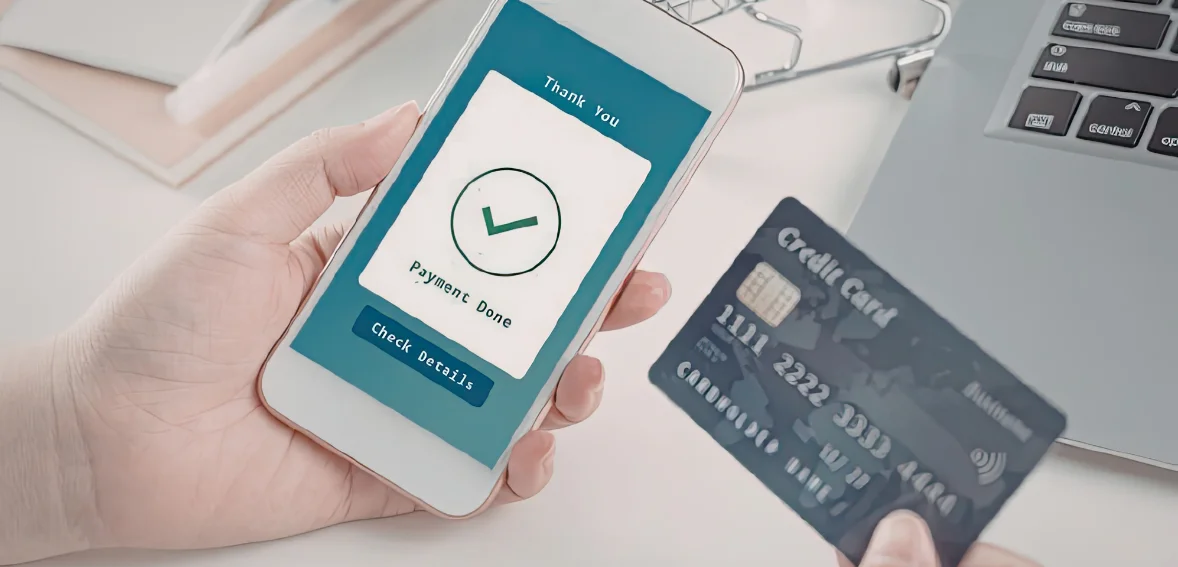
Getting your autopay system running doesn’t require a tech background. It does require choosing the right platform, communicating clearly with families, and setting up your billing rules before you go live.
Step 1 — Choose a Childcare-Specific Payment Platform
Most payment processors, like Square or PayPal, can move money, but they were not designed for recurring childcare billing. Daycare management platforms like Brightwheel, Procare Solutions, or HiMama (now Lillio) have parent enrollment portals, tuition scheduling, and reporting dashboards that general payment processors lack.
Brightwheel
Small and mid-sized daycare centers love using Brightwheel. It includes a billing module that lets you create and manage recurring tuition plans and billing dates. It sends payment reminders and has a parent enrollment feature to reduce setup friction.
Procare Solutions
Procare is ideal for multi-location operators and bigger centers. For billing, attendance, and family account integration, Procare incorporates ACH and credit card autopay. Plus, Procare’s robust integration reports help identify delinquent accounts receivable.
HiMama / Lillio
HiMama rebranded as Lillio in 2023. It combines parent communication features with billing tools, making it a solid option if you want tuition automation, daily reports, and photo sharing. The billing side is simpler than Procare but more than adequate for most single-location centers.
Step 2 — Define Your Billing Structure
Before enrolling a single family, document your billing rules clearly. Decide whether tuition is billed weekly, biweekly, or monthly. Set a specific processing date — for example, the 1st of each month or every Monday — and stick to it. Define your late fee policy in advance and build it into your enrollment agreement.
Step 3 — Collect Authorization from Parents
For ACH autopay, you need written or digital authorization from each parent before you can pull funds from their account. Most childcare platforms generate an authorization form automatically during the enrollment flow. At a minimum, the authorization should state the billing amount, frequency, processing date, and the parent’s right to cancel.
Step 4 — Enroll Families Before the Billing Cycle Starts
Allow families one to two weeks to complete autopay enrollment before processing begins. Send a concise email or in-app notification describing the advantages of autopay and the enrollment procedure. Include who may be contacted for follow-up questions. Positioning autopay as a financial service for parents rather than a service change tends to be more effective at securing program enrollment.
Step 5 — Run a Test Cycle and Verify
Before your first live billing run, process a small test charge—or at least verify the payment setup in your platform’s test mode, if available. Confirm that bank account numbers are correct, that billing amounts match your rate sheet, and that receipts are being sent to the right email addresses. A five-minute check before your first run prevents a lot of cleanup afterward.
Managing Failed Payments — The Part Most Centers Get Wrong
Even the best autopay system occasionally hits a snag. Failed payment recovery in daycare situations happens for predictable reasons: insufficient funds, a closed bank account, or a banking hold. How you handle these moments defines your relationship with families.
The worst response is sending a late fee when a parent fails to respond to your notification that a payment was unsuccessful. Parents often fail to notice payment failures, especially when payment is on autopay.
You can automate many of the inconveniences caused by payment failures. You can program your payment vendor to send a notification when payment fails to both the parent and the director. Notifications should not be threatening, but they should be clear. An example notice could be, “Tuition of A for the payment that was due on the date was not processed. Please change your payment method to avoid an additional late fee of B due to the due date.”
Again, payment retry failures should be responded to with a personal message, preferably a call, from the director. It is very likely that the parent is just as annoyed with the payment failure as you are, and is not negligent, just embarrassed.
For all parents who have failed to complete more than one payment to your school, you can require that a payment method be on record. Each payment failure is recorded by your payment vendor, and it may require a different form of payment. Reducing payment failure can be substantial.
Communicating Autopay Policies Clearly to Families

Even the most refined autopay mechanism will encounter resistance if parents are unaware of it. Transparency is key. Be certain to include the autopay clause in your enrollment agreements and review it at orientation. Explain the autopay policy regarding when payments are processed, how payment amounts are determined, how changes in tuition are communicated, how to submit payment changes, and how to make changes to payment information. Ensure your policy makes it easy for parents to update payment information. Instead of requiring parents to call your office, let them make the changes directly via your school app or the edit payment details portal.
Always inform parents about a tuition increase at least thirty (30) days before withdrawing the new payment amount from autopay. Not only is this a good policy to practice, but in a lot of cases, it is a legal requirement to inform parents of the increase at least thirty (30) days before autopay changes.
The Long-Term Financial Impact for Your Daycare
Switching to automated tuition collection isn’t just a convenience upgrade. It’s a financial strategy. Centers that move to recurring tuition billing consistently report higher on-time payment rates, lower administrative hours spent on collections, and improved predictability of monthly cash flow.
Recurring revenue allows you to plan purchases, staffing, and leases with certainty. You’re running a business with predictability, not a guessing game.
A 2022 survey of the Child Care Industry from Child Care Aware of America found billing inefficiencies to be a top 5 operational challenge for center directors. Autopay tackles this challenge at scale.
Conclusion
Setting up autopay for daycare tuition is one of the highest-return operational improvements a center can make. It reduces missed payments, saves staff hours, improves family relationships, and gives you a clearer financial picture every single month. The technology is accessible, the setup is straightforward, and the payoff starts with your very first automated billing cycle. Start with the right platform, communicate clearly with families, build a solid failed payment recovery process, and you’ll spend a lot less time chasing money — and a lot more time running a great program.
Frequently Asked Questions
Q1: Is ACH autopay safe for daycare tuition payments?
Yes. ACH transactions are processed through a federally regulated network and are one of the most secure payment methods available. Parents’ banking information is encrypted and stored by the payment platform, not by the daycare center itself. Most reputable childcare platforms are PCI-DSS compliant, meaning they meet the security standards for handling financial data.
Q2: What happens if a parent disputes an autopay charge?
If a parent disputes a charge with their bank, the bank may initiate an ACH reversal. Having a signed autopay authorization on file is your primary protection. Most disputes are resolved quickly when the authorization clearly matches the amount and date of the charge. This is why collecting proper authorization before the first payment is so important.
Q3: Can parents update their payment method on their own?
In most childcare billing platforms, yes. Parents can log into their account, remove the old bank account or card, and add new information without contacting the office. This self-service capability is one of the strongest arguments for using a purpose-built childcare platform over a generic payment processor.
Q4: How much notice should a daycare give before changing autopay tuition amounts?
Thirty days is the widely accepted standard, and many state licensing regulations require it. Some platforms allow you to schedule a future rate change in advance so the system automatically applies the new amount on the correct date — with notifications sent to parents as soon as the change is scheduled.