

How to Manage a Daycare Waitlist Without Losing Good Families
By clouddaycaremanager March 18, 2026
Daycare waitlist management is one of the hardest parts of running a childcare center. You may have great families ready to enroll, but no open spots. If communication is slow or unclear, those families may choose another center. This means lost enrollment and lost revenue.
Many daycare directors think a waitlist is just a list of names. In reality, it is a relationship tool. How you manage it decides whether families stay interested or move on.
The good news is that with the right system, you can keep families engaged, stay organized, and fill openings quickly when spots become available. Strong waitlist systems also help centers maintain full enrollment, which is critical for financial stability and smooth operations.
In this guide, you will learn simple and practical ways to improve your daycare waitlist management so you can keep good families interested and ready to enroll.
Why Daycare Waitlist Management Matters More Than Most Directors Realize

A waitlist is not just about managing overflow. It is part of your enrollment strategy.
When families join your list, they are showing interest in your program. If they do not hear from you again, they may assume they are forgotten.
Poor waitlist handling can cause the following:
- Lost enrollment opportunities
- Confusion about availability
- Parent frustration
- Last-minute scrambling to fill spots
- Reputation damage
Good daycare waitlist management does the opposite. It helps you:
- Build trust with families
- Keep future enrollments warm
- Fill vacancies faster
- Reduce stress when spots open
- Create a professional process
Centers that treat their waitlist like part of their enrollment pipeline usually stay full more consistently.
Build a Clear Childcare Waitlist Policy From the Start
Every daycare should have a written childcare waitlist policy. This prevents confusion and protects you from complaints about fairness.
Your policy should answer:
- How families join the list
- How ranking works
- How do you contact families?
- How long families stay active
- When families are removed
Programs like Head Start use clear selection rules based on eligibility and need to decide who gets priority when spots open.
Even if your center is private, having clear rules helps you stay consistent.
What Your Policy Should Include
Your policy should clearly state:
Required information
- Child age
- Start date needed
- Schedule needed
- Parent contact details
Priority factors
- Current families needing additional care
- Siblings of enrolled children
- Requested start date
- Classroom availability
Communication rules
- How often are updates sent?
- Response deadlines
- Contact methods
Clear expectations make daycare waitlist management easier and more professional.
How to Collect the Right Information Before Adding a Family
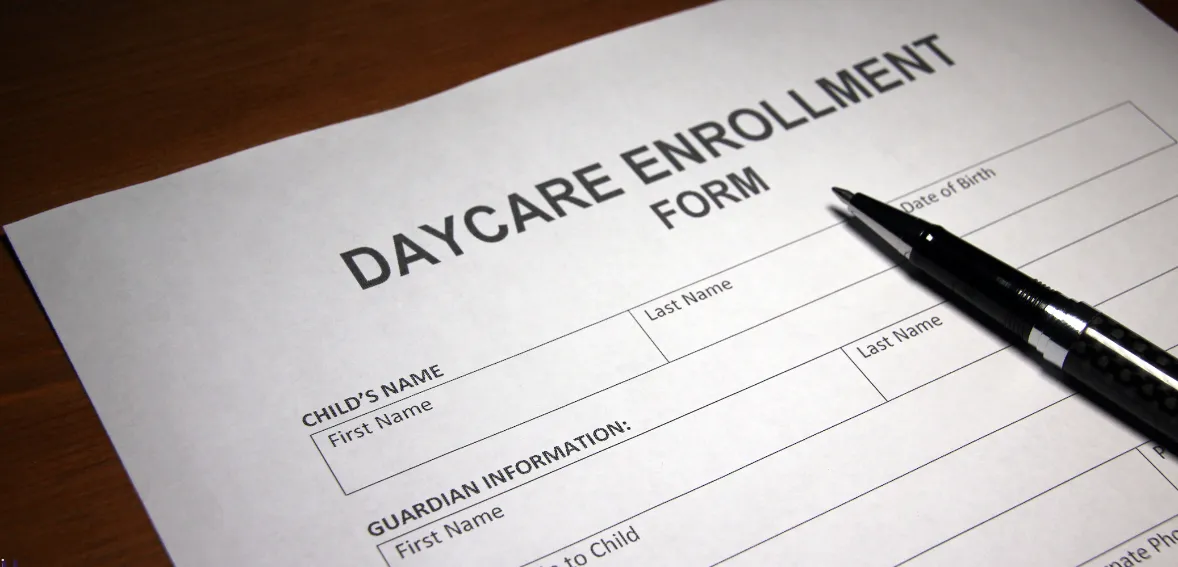
Many waitlists fail because they collect only basic contact details. That is not enough to manage enrollment properly.
You need enough details to quickly match a child to an opening.
Information Every Waitlist Form Should Collect
Collect:
- Child’s full name
- Date of birth
- Desired start date
- Days needed
- Program type needed
- Parent phone and email
- Tour completed or not
Extra helpful information:
- Flexible start date
- Flexible schedule
- Backup care status
- How soon can they respond
Programs that verify eligibility and collect detailed information early can fill openings faster because they already know which families qualify.
Better data leads to better daycare waitlist management decisions.
How to Rank Families Fairly and Consistently
Fair ranking prevents complaints and confusion.
Some centers use first-come, first-served. Others use priority systems.
Example Ranking Structure
- Currently enrolled family siblings
- Families needing immediate care
- Flexible schedule for families
- Date added to waitlist
Many childcare programs assign priority points based on needs and eligibility to decide the order.
Tips to Keep Ranking Fair
Always:
- Document your rules
- Apply rules equally
- Avoid exceptions without documentation
- Track communication attempts
Consistency is the backbone of strong daycare waitlist management.
What to Say When No Spot Is Available Yet
This is where many centers lose families.
Silence makes parents nervous. Clear communication keeps families interested.
Your daycare waitlist communication should always be honest and reassuring.
What Parents Want to Hear
Parents want to know:
- They are on the list
- They were not forgotten
- You will contact them
- What happens next
Example Message You Can Send
You might say:
“Thank you for your interest in our center. We do not have an opening right now, but your child is on our waitlist. We will contact you as soon as a spot becomes available that matches your needs.”
Simple communication builds trust.
How Often to Update Waitlisted Parents
Many directors ask this question.
The answer is simple: regular contact keeps families engaged.
Some programs send monthly updates to waitlisted families so they remain informed and ready when openings appear.
Good Communication Schedule
A simple schedule could be:
Monthly update
- Quick email update
Quarterly check-in
- Confirm interest
When a spot may open
- Immediate contact
Regular updates improve daycare waitlist management because families stay responsive.
Simple Daycare Waitlist Communication That Keeps Families Interested
Your daycare waitlist communication should not just say “still waiting.”
It should maintain a connection.
You can share:
- Enrollment updates
- Classroom news
- Event invitations
- Parent resources
- Program highlights
This reminds families why they chose you.
Examples of Good Updates
You might send:
- “We have two preschool graduations this month.”
- “Summer enrollment planning has started.”
- “Reminder to confirm your interest.”
Short updates keep relationships active.
The Importance of Daycare Enrollment Follow-Up
Many directors forget follow-ups.
This is a big mistake.
A simple daycare enrollment follow-up system can prevent empty spots.
If you call one family and they do not answer, you should already know who is next.
Simple Follow-Up Process
When a spot opens:
- Step 1 – Contact the first family
- Step 2 – Give a response deadline
- Step 3 – Move to the next family
- Step 4 – Document attempts
Programs often attempt multiple contacts before moving to the next family on the list.
Good follow-up is critical to strong daycare waitlist management.
How the Preschool Waitlist Process Should Work Step by Step
A strong preschool waitlist process removes confusion.
A Simple Process Looks Like This
- Step 1 – Family joins waitlist
Application completed - Step 2 – Information verified
Check age and schedule needs - Step 3 – Family ranked
Placed based on policy - Step 4 – Monthly communication
Maintain engagement - Step 5 – Spot opens
Contact the top match - Step 6 – Response deadline
Usually 24–72 hours - Step 7 – Enrollment offer
Send paperwork - Step 8 – Move to the next if declined
Repeat the process
Simple systems make daycare waitlist management predictable and smooth.
How to Maintain a Clean Childcare Vacancy List
Your childcare vacancy list should always be updated.
If your list is outdated, you waste time contacting families who are no longer interested.
Keep Your Vacancy List Accurate
You should track:
- Upcoming graduations
- Age transitions
- Withdrawals
- Schedule changes
Head Start programs aim to fill vacant slots quickly, often within 30 days, to maintain full enrollment.
Updated vacancy tracking improves daycare waitlist management speed.
How to Fill an Open Spot Fast Without Creating Confusion
Fast filling requires preparation.
You should already know:
- Who qualifies
- Who is active
- Who is responsive
Fast Fill Strategy
Use this method:
Contact the top 3 families:
- First offer gets priority
- Others stay ready
Give a clear deadline:
- Example: 48 hours
Require deposit:
- Confirms seriousness
This prevents delays and improves your daycare waitlist management results.
When to Remove Inactive Families From the List
Inactive families slow your system.
You need clear removal rules.
When Removal Makes Sense
Remove if:
- No response after 3 attempts
- Family declines twice
- Start date passed
- Parent requests removal
Programs often move to the next applicant if families cannot be reached after multiple attempts.
How to Remove Professionally
Send notice:
“We have tried to reach you. We will remove you unless we hear back within 5 days.”
This keeps daycare waitlist management clean and fair.
Should You Allow Families to Hold Daycare Spot Openings
Some directors allow parents to hold daycare spot placements briefly.
This can help families plan transitions.
When Holding Makes Sense
Consider allowing short holds if:
- Start date within 30 days
- Deposit paid
- Paperwork completed
When Not to Hold
Avoid holds if:
- No deposit
- No commitment
- Long delay requested
Rules prevent enrollment gaps.
Should You Charge a Waitlist Fee? Daycare Directors Can Justify
Some centers charge a waitlist fee that daycare programs use to confirm serious interest.
This is optional.
Benefits of a Waitlist Fee
Can:
- Reduce non-serious applicants
- Cover admin time
- Improve response rates
Risks of a Fee
May:
- Turn away families
- Require refunds
- Create complaints
If used:
- Keep the fee small
- Make policy clear
- Explain purpose
Transparency improves daycare waitlist management trust.
Technology Can Make Daycare Waitlist Management Much Easier

Manual lists cause mistakes.
Software helps:
- Track ranking
- Send updates
- Store notes
- Track openings
Centers using organized systems can fill openings faster because information is centralized.
This is why many directors move away from spreadsheets.
Common Mistakes That Cause Centers to Lose Good Families
Avoid these mistakes:
No Communication
Families assume no interest.
No Ranking System
Creates fairness issues.
Slow Response
Families accept other offers.
Outdated Lists
Wastes time.
No Deadlines
Delays enrollment.
Fixing these improves daycare waitlist management immediately.
Best Practices Used by High-Performing Daycare Centers
Strong centers usually have:
- Written policies
- Automated reminders
- Clear ranking
- Fast response process
- Regular updates
They treat waitlists as future enrollment, not admin work.
How Great Waitlist Management Improves Your Reputation
Parents talk.
If your process is:
- Organized
- Responsive
- Fair
- Professional
Families remember.
Even waitlisted families may refer others if treated well.
Strong daycare waitlist management builds long-term enrollment stability.
Conclusion
Daycare waitlist management is not just about keeping names on a list. It is about building relationships with future families.
When you collect the right information, communicate clearly, rank fairly, and follow up consistently, you create a system that works instead of chaos.
Simple improvements like monthly updates, clear deadlines, and organized tracking can make a big difference. These steps help you keep interested families engaged and ready when openings appear.
If you treat your waitlist like part of your enrollment strategy instead of a backup list, you will lose fewer families and fill spots faster.
Strong systems today create stable enrollment tomorrow.
FAQs
Should I charge a waitlist fee?
You can charge a small fee if it covers admin work and confirms a serious interest. Always explain the policy clearly before collecting payment.
How often should I contact families on the waitlist?
Monthly communication works best. It keeps families engaged without overwhelming them.
What information should I collect before adding a family?
Collect child age, schedule needs, start date, and parent contact details. This helps match openings quickly.
How do I fill an open spot fast without creating confusion?
Contact the top-ranked family first and give a clear response deadline. Move to the next if they decline.
How do I know if a family is still interested?
Send periodic confirmation emails. Remove families who do not respond after multiple attempts.