
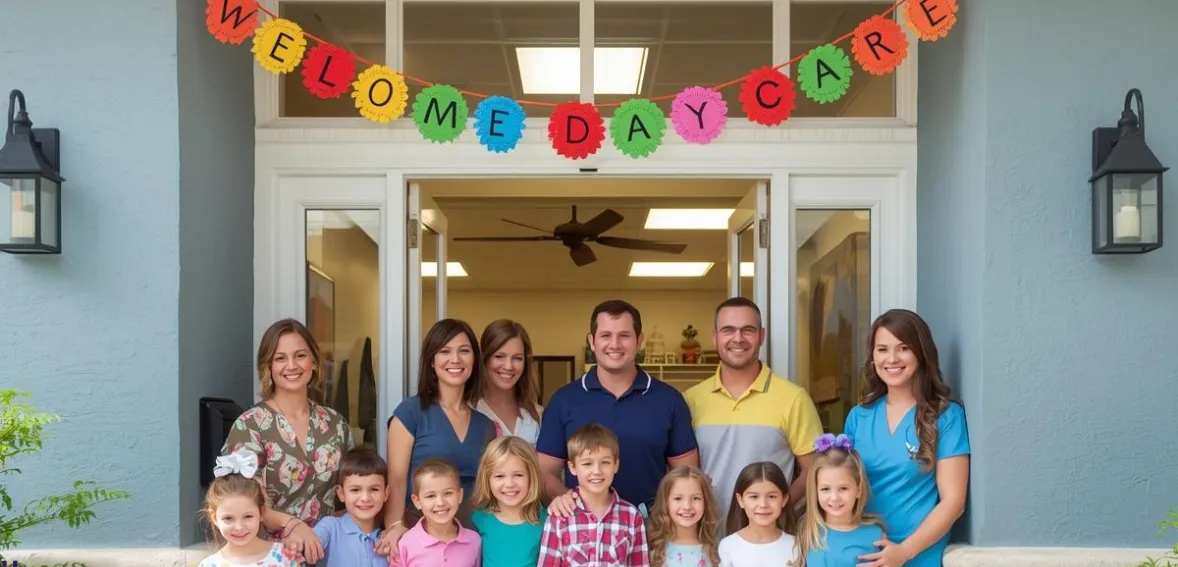
Rolling Out the Welcome Mat: Onboarding New Daycare Families
By Ethan Walker March 16, 2026
The daycare parent orientation program serves as the essential first step, which establishes a positive atmosphere for families who enter your childcare facility. Parents enroll because they want a team they can trust with their child. The first interaction should feel organized, supportive, and professional. Families feel more confident in their decision when they understand how your center operates. The daycare parent orientation program creates a better understanding because it removes all doubts that new parents have during their period of adjustment.
Starting childcare programs creates significant changes for many families. Parents usually experience anxiety about their child’s schedule, safety measures, and ability to adapt. The structured daycare parent orientation program helps to solve these issues by providing necessary information before any concerns develop. Parents feel reassured when providers share information about their daily routines, communication methods, and procedure expectations. Parents who experience early trust develop stronger relationships, which improve their chances of staying with the organization. Trust creates a strong foundation for a smooth relationship.
Onboarding New Daycare Families Helps Build Strong Long-Term Relationships

Onboarding new daycare families is more than an administrative task. It begins a long-term relationship between the center and the family. The way this process is handled establishes patterns for future parent interactions and their level of participation in activities. The structured and carefully executed process of onboarding new daycare families gives parents a feeling of being valued through the respectful treatment they receive. This difference strongly shapes how parents view your center.
The onboarding process for new daycare families requires planning that needs to prioritize educational needs more than operational requirements. Parents should clearly understand what their child’s day will look like, how guidance and discipline are handled, and how teachers communicate progress. Taking time to explain these areas helps parents better understand your program. The process of onboarding new daycare families requires organizations to create methods that help their parents feel at ease when they want to ask questions. Parents become more willing to share their thoughts when they know that their worries will be addressed.
Plan the Parent Orientation Before the Child’s First Day
One of the best ways to ensure a smooth start is to hold orientation before the child’s first day. The meeting allows families to take their time processing information because they do not need to control their emotions during the first day of school. Directors and teachers need to present information about the daily schedule, which shows learning periods, meal times, rest times, and play activities. The parents develop program trust through their understanding of the daily schedule, which shows them how the program operates.
The daycare parent orientation includes an essential component that involves showing parents the staff members who will work with their children. Parents gain trust through observing teachers who explain their responsibilities to parents. The meeting needs to show participants how to follow essential procedures through demonstrations of sign-in systems, pickup routines, and communication tools. Daycare parent orientation needs to include a question period because parents use this time to provide essential information about their child, which helps staff members understand their requirements, preferences, and personality traits.
Preschool Orientation Ideas That Help Families Feel Welcome
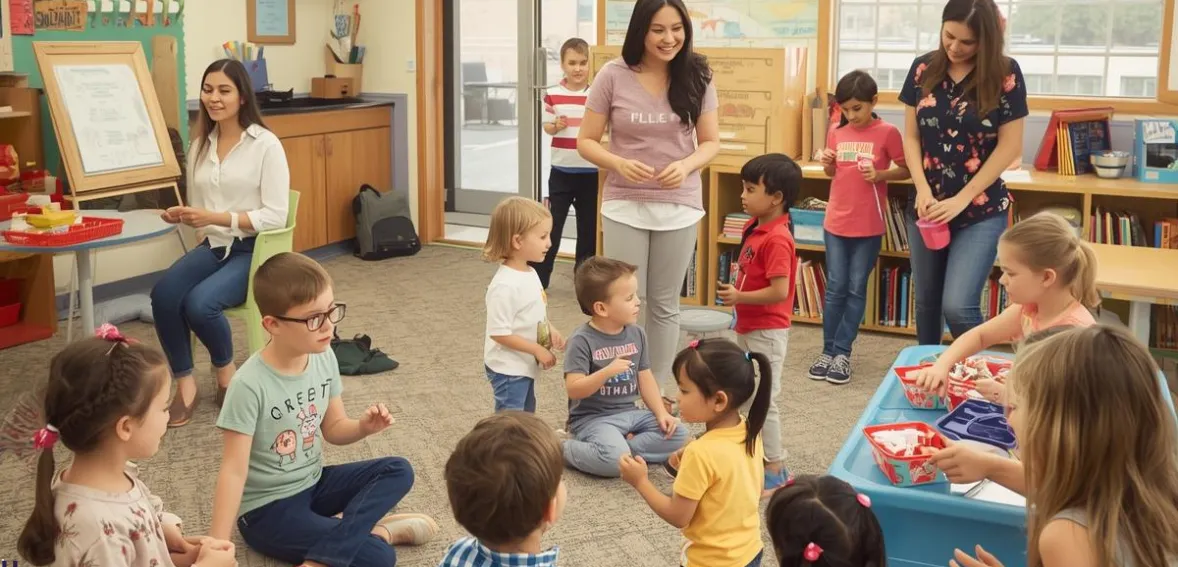
The best preschool orientation programs should help families gain knowledge that will help them successfully enter their new school environment. A simple welcome packet with policies, contact details, and first-day instructions helps families feel prepared. Parents can examine the material at their own pace because they need to remember only specific details from one discussion. The practical preschool orientation program presents these organizing methods to assist families in maintaining their structure.
The second preschool orientation method establishes an environment that enables parents to obtain knowledge while they guide their children through school facilities. The school tour shows parents all the essential school areas that their children will use during the academic year. Some centers also use preschool orientation ideas, such as teacher welcome letters or classroom photos, to create a personal connection. The small actions of these organizations create a positive impact, which makes families feel they deserve special treatment instead of being treated as regular enrollees.
Creating a Daycare Welcome Process That Prevents Confusion
The daycare welcome process establishes a vital welcoming system that eliminates the most common first-month misunderstandings. Parents require specific information about what items to bring, the methods used for sharing updates, and the procedures followed during unexpected events. The daycare welcome process provides complete answers to all questions, which would otherwise disrupt daily operations.
The daycare welcome process requires the delivery of a comprehensive parent handbook as its fundamental element. The handbook should not become an immediate reading requirement for families because they need time to process its content. Providers should emphasize their essential policies, which include illness guidelines, attendance requirements, and methods of communication. The organized daycare welcome process provides families with necessary assistance while enabling staff to deliver consistent service throughout all student registrations.
Supporting Parents Emotionally During the Transition
Childcare programs must recognize that parents and children require emotional support during the transition to parenthood. Parents need to understand that their children will require time to become accustomed to new situations. Welcoming new parents requires setting realistic expectations.
The process of welcoming new parents into childcare centers depends on educators to fulfill their duties. Extra attention during the first few days, consistent routines, and calm reassurance help children feel safe faster. The providers need to inform parents that their child will cry during drop-off, but their child will stop after a short period. The process of welcoming new parents requires childcare providers to present information in a clear manner, which creates trust between families and staff while decreasing anxiety.
Communication During New Family Orientation Childcare Establishes Trust Between Parents and Staff
The new family orientation childcare process requires clear communication to help parents understand their role in the process. Families should know exactly how updates will be shared and who they should contact with concerns. Establishing these communication habits early prevents confusion later. During orientation, centers should explain daily reports, messaging systems, and parent communication tools.
The new family orientation childcare process needs to establish a follow-up meeting that takes place after the first two weeks. The providers can use this time to check on the adjustment process while discovering any questions the parents might have. Parents perceive their experience as important when childcare centers make this effort to establish communication. Effective communication during new family orientation childcare procedures establishes trust, which leads to continuous participation from parents.
Following Up After Daycare Tours Leads to Better Enrollment Results
A strong tour follow-up process shows professionalism and attention to detail. The short message that we send to families after their tour visit helps us establish ongoing contact with them. This daycare tour follow-up can also include enrollment steps, reminders about availability, or answers to questions discussed during the visit.
Daycare facility operations achieve better results through personalized tour follow-up programs, which maintain relationships with families. The ability to identify particular details about a child or family member demonstrates genuine dedication to the relationship. The reliable daycare tour follow-up system enables ongoing communication, which helps families maintain their connection with the daycare. These small actions often influence enrollment decisions more than providers realize.
Daycare First-Day Tips for Parents to Reduce Stress
Providing first-day-of-daycare tips helps parents prepare for a smoother transition. Parents need basic directions that show them how to label their child’s items, which extra clothes they should bring, and how to help their child get ready for school. The first-day-of-daycare tips that parents receive help them to avoid creating unnecessary problems.
Daycare providers must provide parents with first-day-of-daycare tips that explain how drop-off procedures work. Children find it easier to separate from their parents when they practice quick and secure goodbyes. Parents need to understand that children require different time periods for their first day of the daycare adaptation process. Parents who understand what will happen during the transition period will show their kids more patience and support.
Building Community While Onboarding New Daycare Families
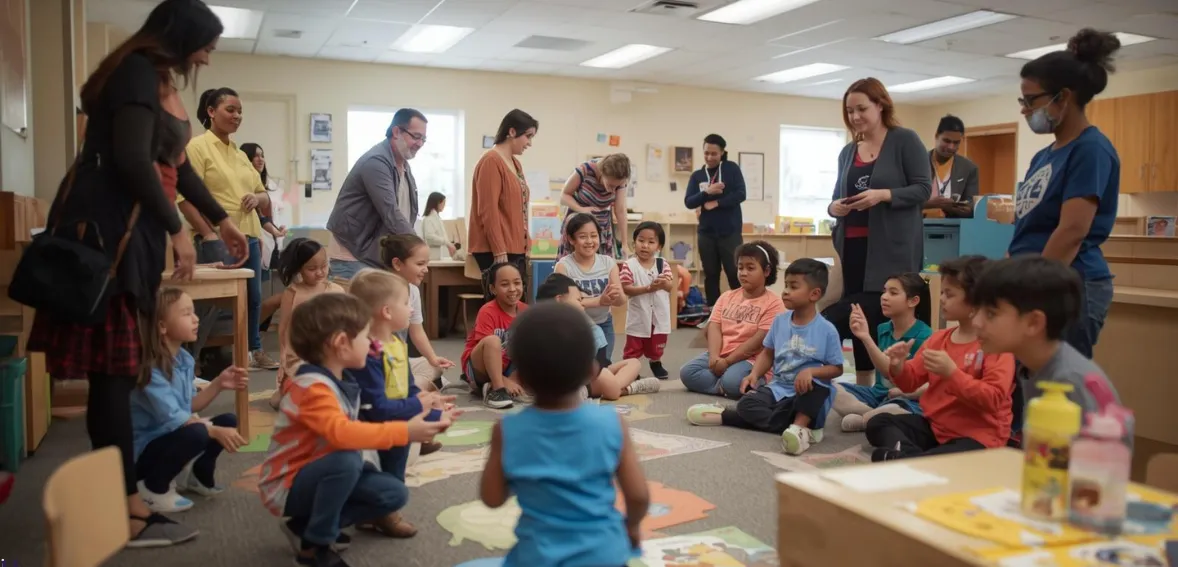
The successful onboarding process for new daycare families requires established relationships to develop between all parties involved. Families who feel connected to the community are more likely to remain enrolled and participate in events. The introduction of new parents to other parents, along with their invitation to social events, helps to build social bonds between them. The personal touch of these efforts creates a familial atmosphere during the process of onboarding new daycare families.
The onboarding process for new daycare families at childcare centers becomes more effective when the centers provide families with complete access to their newsletters, announcements, and parent group meetings. Early inclusion helps families feel like they belong. The relationships that develop between new daycare families and the community during the onboarding process lead to enhanced communication and increased satisfaction throughout their entire childcare experience.
Conclusion
A well-planned daycare parent orientation helps build trust with families from the very beginning. Parents who understand your daily operations, your way of communicating, and your established standards will develop trust in your staff and experience ease during their transition. The first experience for new daycare families becomes positive and seamless through three basic elements, which include the structured daycare welcome process, the direct communication method, and the design of new daycare family onboarding procedures.
Childcare centers develop lasting relationships with new parents when they implement proper welcoming procedures during the first weeks of childcare service. Daycare centers demonstrate their commitment to their work through two elements, which include their provision of first-day daycare tips for parents and their process of following up with parents after daycare tours. Families who feel supported from the start are more likely to trust your program and stay with your center long term.
FAQs
How far in advance should daycare orientation happen?
The ideal schedule for daycare orientation requires it to take place one week before a child begins daycare. This schedule provides families with sufficient preparation time while enabling them to ask their questions without feeling pressured.
What will happen if parents miss the orientation session?
Centers provide virtual meetings together with one-on-one meetings to deliver essential information to parents. The goal is to make sure no family starts without guidance.
How long does it usually take for a child to adjust?
Most children need between one and two weeks to adjust because they must learn their daily routines while they build trust with their teachers. The process becomes faster when people receive backing together with steady activities.
What information should parents know first?
The first information parents need to discover consists of daily schedules, together with drop-off routines, pickup policies, and illness rules. These details help the first weeks go smoothly.
Should childcare centers follow up after enrollment?
A brief follow-up conversation offers two key benefits. The process enables early identification of initial issues while it demonstrates to families that their experience holds value. The process builds trust at the beginning of a relationship.