

When the Unexpected Happens: Emergency & Disaster Planning for Daycares
By Ethan Walker March 10, 2026
Making an emergency plan for your daycare is not something you should consider only after a traumatic event. It needs to be prepared before a child is harmed, before the storm arrives, and before the alarm goes off. Emergencies can occur at any time. Children turn to adults for protection when they do. Parents trust you to keep their children safe. Every daycare needs a clear and simple plan. Now is the time to develop a written, practiced plan for your center and to make it part of your daily routine, if you don’t already have one.
The Significance of Each Daycare Emergency Plan
Children, employees, and your center are all protected by a daycare emergency plan. It lessens anxiety. Time is saved. It keeps things clear. Responses become calm and prompt when everyone is aware of their roles and responsibilities.
Emergencies at a daycare can range from minor problems to serious situations. For example, a child could suddenly have a strong allergic reaction. There could be a fire alarm. There could be a tornado warning. A security risk might even exist. A strong plan helps staff respond appropriately.
Families want to know that your safety plan is clear and practiced often. Trust increases when parents have faith in your safety plans.
Recognizing Possible Emergencies in Your Community
You must know the risks before you can prepare. Doing a risk assessment is the first step in creating a daycare emergency plan.
Consider where you are. Ask:
- Are you in a tornado-prone area?
- Does flooding frequently occur?
- Can an earthquake occur?
- Is there a factory or highway close to your center that could result in a dangerous spill?
Typical crises to be ready for include:
- Fire
- Power disruptions
- Severe weather like snowstorms, hurricanes, and tornadoes
- Medical crises like allergic reactions or choking
- Custody disputes or security risks
Although they are rare, certain circumstances can still arise. Gas leaks, chemical spills, or pandemics may require staying inside for a long time. Good planning means thinking about even rare dangers.
When you list possible emergencies, you build a strong safety plan.
Making a Documented Emergency Plan for Daycare
A daycare emergency plan needs to be documented. It should not live only in one person’s memory. It should be available in every classroom.
What Your Daycare Emergency Plan Should Include
Clearly state the following in your written plan:
- Routes for evacuation
- Locations for safe meetings
- Procedures for sheltering in place
- Lockdown procedures
- What to do in a medical emergency
- Roles in communication
Display the primary and secondary evacuation exits. Put maps up in every classroom. Choose a secure outdoor location for your meeting, away from the building.
Decide where staff and children will go during a shelter-in-place, like a tornado warning. The safest interior spaces are often those far from windows.
Your plan must think about babies, toddlers, and preschoolers. Daycare workers can avoid confusion by following clear emergency protocols step-by-step.
Assign roles in advance. Attendance sheets are taken by one employee. Another carries the daycare emergency kit. Every room is inspected by someone. Clear roles help everyone stay calm during stress.
Each room should have a printed emergency handbook or flip chart with straightforward bullet-point instructions.
Emergency Kits and Supplies Every Center Needs
A strong daycare emergency plan includes the right tools. Supplies must be easy to grab and regularly checked.
What To Put in a Daycare Emergency Kit
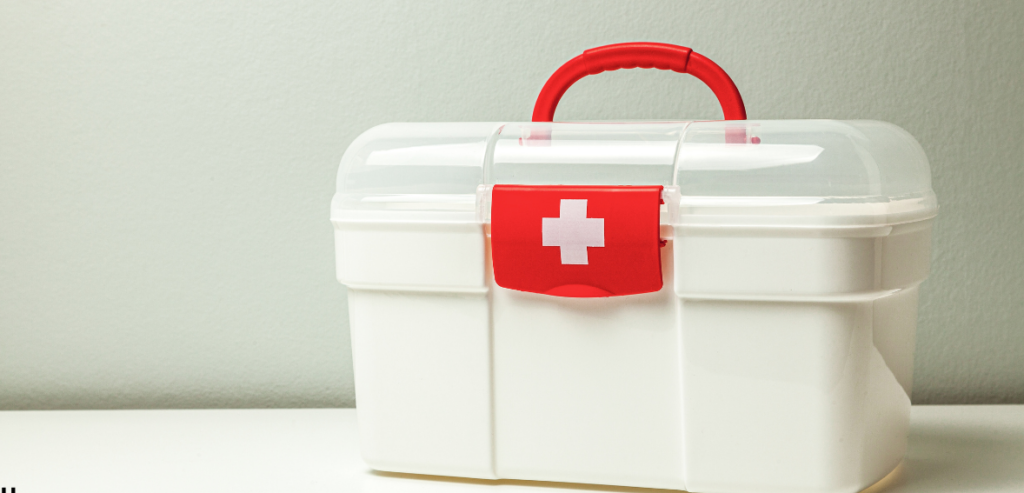
Each classroom should have a daycare emergency kit that includes:
- Flashlight with extra batteries
- Small first aid kit
- Gloves
- Emergency contact list
- Bottled water
- Non-perishable snacks
- Diapers and wipes (if needed)
- Comfort items such as a small book
Your center should also have:
- Fully stocked first aid kits
- Working fire extinguishers
- Smoke detectors with fresh batteries
- Battery-operated radio
If sheltering for hours is possible, store extra water and food for children and staff. Infant rooms must have formula and bottles available.
A complete disaster plan for childcare centers considers the needs of babies, toddlers, and preschoolers. Children may feel scared. A comfort toy or calm activity helps reduce fear.
Staff Training and Practice Drills
Writing the plan is only the first step. Practice and training make it effective. If staff do not practice, they may panic or forget what to do.
How Often Should You Practice?
Fire drills are often required monthly. A strong daycare fire drill plan includes using the actual alarm sound, practicing evacuation routes, and taking attendance at the meeting point.
Lockdown and shelter-in-place drills should occur several times per year. Vary the time of day. Practice during snack time, playtime, or nap time.
After each drill, hold a short review. Ask:
- Did everyone exit quickly?
- Was attendance accurate?
- Did anyone panic?
This makes your safety plan stronger.
Training Staff for Real Situations

Staff should know how to:
- Evacuate infants using evacuation cribs.
- Perform CPR and basic first aid.
- Use fire extinguishers.
- Calm children with clear, gentle instructions.
Children take cues from adults. When staff remain calm, children feel safe. Training improves daycare crisis management and reduces chaos.
Communicating with Parents During Emergencies
Communication is critical. Parents need quick and clear updates.
Your daycare emergency plan should include:
- Who calls 911?
- Who sends parent alerts?
- Backup communication methods
Text alerts or messaging systems can notify parents that their children are safe and provide instructions.
Reunification Procedures
If evacuation happens, parents need to know where to pick up their children. Choose a pre-planned reunification site. Share this location in your parent handbook.
Require identification before releasing a child. Keep emergency contacts updated.
During a lockdown, doors must stay locked until the police say it is safe. Parents should know this rule in advance.
Clear communication builds trust and supports strong childcare emergency preparedness.
Reviewing and Updating Your Daycare Emergency Plan
A daycare emergency plan is not a one-time document. Review it at least once a year.
Update it when:
- Staff roles change.
- Building layouts change.
- Licensing rules change.
- New risks appear.
After any real emergency, evaluate what worked and what did not. Improve your disaster plan for childcare centers based on lessons learned.
Prepared centers respond faster. They protect children better. They reassure families every day.
Conclusion
A daycare emergency plan is a promise to children and families. When you plan, you protect children during uncertain moments. A written plan is important, but training your staff and communicating with families is just as important. Planning today protects children tomorrow. This protects children and builds strong trust with families. In the end, a well-thought-out emergency plan is a promise to the children and their families that you’re ready to act when they need you most.
FAQs
What should be included in a daycare emergency plan?
A daycare emergency plan should include evacuation routes, lockdown steps, shelter procedures, medical response actions, and communication roles. It must be written, accessible, and practiced regularly.
How often should daycares conduct drills?
Fire drills are typically done monthly. Lockdown and shelter drills should be practiced a few times each year to keep procedures fresh.
What should be inside a daycare emergency kit?
A daycare emergency kit should include water, snacks, a flashlight, batteries, first aid supplies, gloves, and emergency contact lists. Infant rooms should also have formula and diapers.
How can staff keep children calm during emergencies?
Staff should speak in a calm voice and give simple directions. Turning drills into practice games helps children feel less afraid.
How should parents be notified during an emergency?
Parents should receive quick updates through text alerts or phone calls. Clear reunification instructions must be shared if evacuation occurs.